Long streaks of intense summer heat often bring with it toxic blooms of blue-green algae to local ponds and lakes. Skin exposure to contaminated water is dangerous to humans and animals. Here’s what you need to know:
What is blue-green algae?
It’s a type of algae (or cyanobacteria) that grows when water temperatures warm up. Though it's a native, naturally occurring piece of the ecosystem, when it grows out of control (known as a “bloom”) it becomes dangerous to humans and animals.
How do you know if a body of water is contaminated?
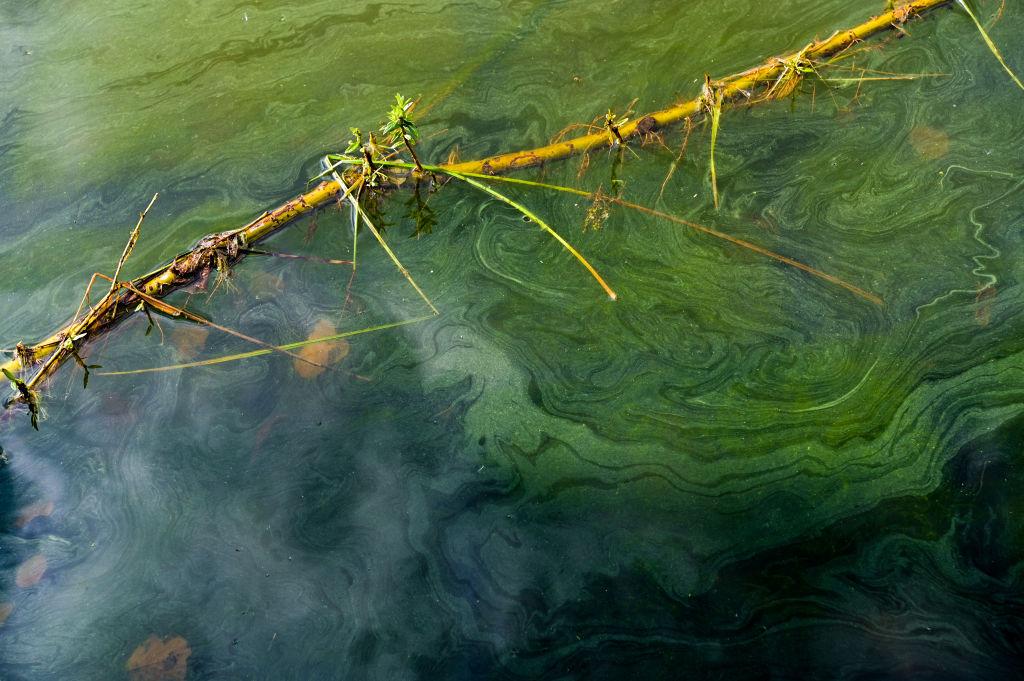
Blue-green algae blooms look like thick pea soup or spilled paint, floating on the surface of water. It’s most often a blue-green color, but it can be gold, brown, or reddish, as well. The state health department tests different lakes and reservoirs every year, and many individual municipalities test their own waters, but the general rule of thumb is: “When in doubt, stay out.”
What happens if you’re exposed?
Skin-to-water contact for humans and animals is dangerous, leading to symptoms such as skin irritation, diarrhea, stomach pain, fever, headache, and a sore throat. For animals, like your pup, exposure can be fatal. If you think you were exposed to algae toxins, contact your healthcare provider or poison control.
Will it go away?
Blue-green algae blooms will recede as the weather cools. But as Colorado’s climate continues to heat up due to global warming we can expect more and more blooms in summer.